Questions around substance use and mental health in adoption

This article was written by Purl Adoption Advisor, Kelcie Grace Germano. While it’s longer than many of our blog posts, this is a topic we believe every prospective adoptive family should give time, space, and thoughtful education. In utero substance exposure and mental health considerations come up in a large percentage of adoption situations, and we spend a great deal of time talking through these topics with families, especially those who are brand new to the adoption world. We hope that this resource helps you feel more informed, better prepared, and less overwhelmed as you begin your adoption journey.

Disclaimer
I am a public health nurse, but this blog is not intended to provide medical advice. The information shared here is for educational purposes only and reflects my current understanding from my own research and adoption professional experience. Research on prenatal substance exposure and mental health is continually evolving, and new findings may change what we understand over time. Families should always seek guidance from qualified medical providers, adoption-competent professionals, and reputable resources when making decisions for their family.

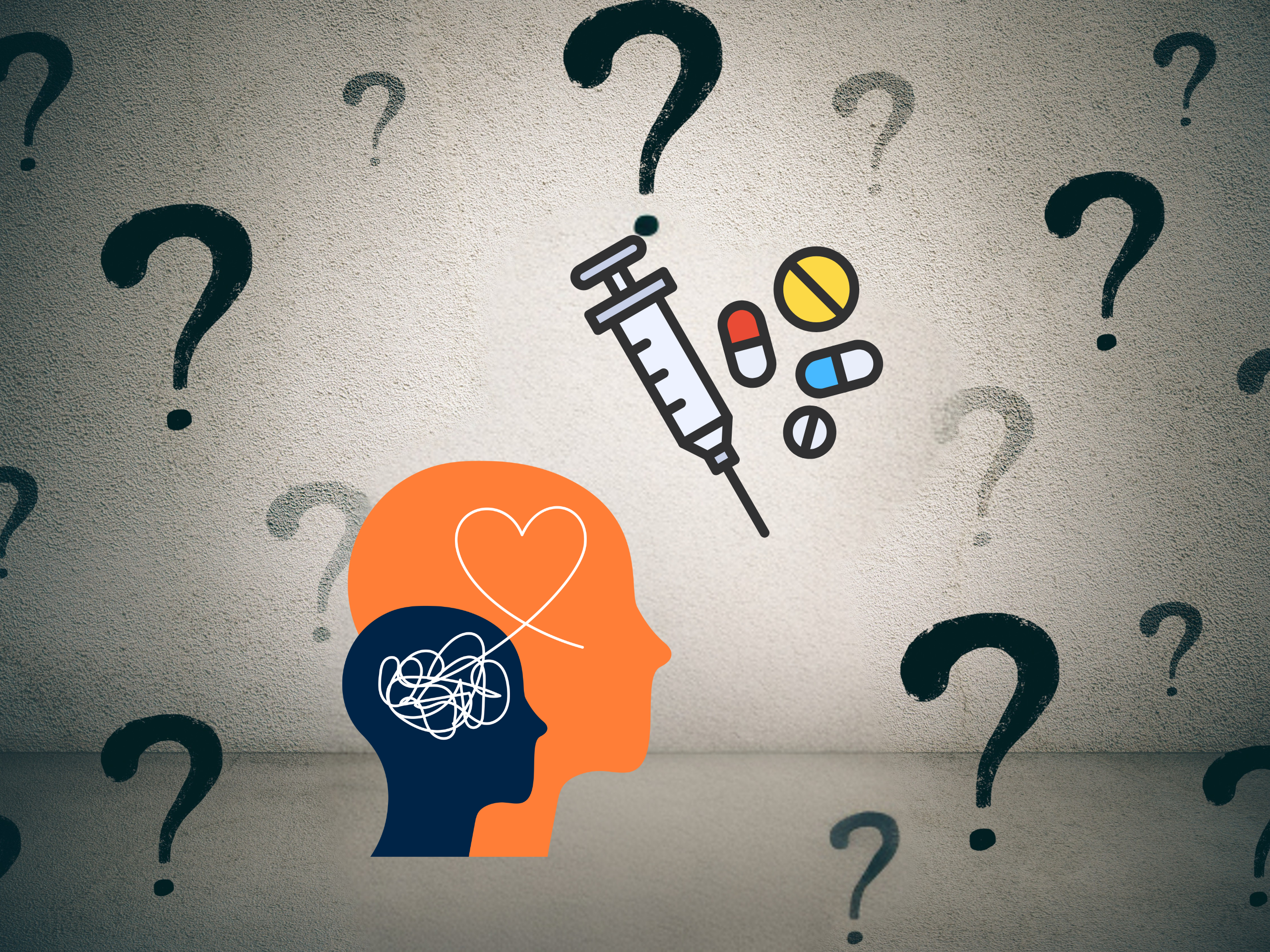
Understanding In Utero Substance Exposure and Mental Health in Adoption
When you first begin exploring domestic infant adoption, it’s common to imagine a healthy newborn being placed in your arms with few complications. One of the first realities prospective adoptive parents encounter is how frequently adoption situations include prenatal substance exposure and/or a birth family history of mental health conditions.
This can be surprising and sometimes overwhelming, especially early in the journey. Words like “drug exposure” or “mental health diagnosis” often carry heavy stigma and fear. For many families, this is the first time they are being asked to think beyond a “perfect” pregnancy narrative and into the real-life circumstances that lead someone to consider adoption. When a pregnant mom is considering adoption, it’s often because she is navigating a period of crisis. That crisis may involve substance use, untreated or undertreated mental health challenges, poverty, homelessness, lack of support, childhood or intergenerational trauma, or any combination of these factors. Adoption may be one way for her to create stability for her baby and maintain a voice in where her child is placed.
As you move further into the adoption world, you’ll discover these crisis scenarios are not the exception but the norm, and while that reality can feel daunting at first, education, preparation, and the right supports can make a meaningful difference. The vast majority of children with these backgrounds grow up to live long, happy, healthy, and fulfilling lives.
How Common Is It?
Contrary to outdated stereotypes, most expectant parents considering adoption today are not young teenagers who “accidentally got pregnant” and “want a chance at a different life.” They are often in their late 20s or 30s and may be facing significant challenges such as:
  • Financial instability
  • Housing instability
  • Childhood or intergenerational trauma
  • Domestic violence
  • Mental health diagnoses such as depression, anxiety, bipolar disorder, Post Traumatic Stress Disorder (PTSD), or schizophrenia
  • Substance use disorders, including polysubstance use (common substances include: methamphetamine, cocaine, fentanyl, heroin, alcohol, marijuana, and/or tobacco)
  • Prior involvement with child protective services for other children
  • Parenting other children while feeling overwhelmed and unsupported
Based on the adoption situations our families see from adoption professionals across the U.S., we consistently find that half, if not more, include prenatal substance exposure and/or a mental health history. This doesn’t mean every situation will involve these factors, but it does mean that being closed to them can significantly limit the number of adoption situations available to consider.
What Does In Utero Substance Exposure Mean?
In utero substance exposure refers to a baby being exposed in the womb to substances that the expectant mom consumed. This can include prescription medications, alcohol, tobacco, marijuana, or other substances such as methamphetamine, cocaine, fentanyl, or heroin. These substances pass from the pregnant mom’s bloodstream to the developing baby and may affect fetal development.
Prenatal substance exposure can impact children in both the short and long term. In the newborn period, some babies may experience withdrawal symptoms known as Neonatal Abstinence Syndrome, as well as feeding difficulties or sleep challenges. Over time, research has shown an increased likelihood of developmental delays, learning differences, attention difficulties, and/or challenges with emotional regulation. Certain substances, particularly alcohol, can lead to more significant lifelong impacts, including Fetal Alcohol Spectrum Disorders.
It is also important to understand that some of the challenges often associated with prenatal substance exposure can also be genetically inherited. For example, if an expectant parent has ADHD, emotional temperament challenges, dyslexia, or other learning differences, their child may have an increased likelihood of developing similar challenges regardless of substance exposure. This overlap makes it difficult to determine whether a child’s needs stem from genetics, prenatal exposure, environment, or a combination of all three.
Outcomes depend on many factors, including:
  • The type of substance
  • The amount and frequency of use
  • The timing during pregnancy
  • Whether multiple substances were used
  • Other health, genetic, and environmental conditions
Not every child exposed prenatally will experience these challenges. Many children do very well, especially when in stable environments with access to early supports. Early intervention and a supportive environment can significantly impact a child’s trajectory.
A Note About the Research
Research on in utero substance exposure is complex and limited. Ethical considerations make it difficult to study pregnant women in general. It is especially challenging to study individuals who are actively using substances. Most studies rely on self-reported information, which may be incomplete or inaccurate due to stigma, fear, memory gaps, or unknowingly using laced substances.
Long-term studies following children as they grow are still limited, and many do not clearly distinguish whether a child remained in the same environment where substance use was present, entered foster care, or was adopted into a different home. These gaps make it difficult to isolate the effects of prenatal exposure from the effects of postnatal environment. While the research base is growing, it remains relatively small and often limited in scope.
Understanding Mental Health Considerations
Alongside substance exposure, mental health conditions are very common among expectant parents considering adoption. Depression and anxiety are almost always present, given the grief, stress, and complexity involved in considering placing a child for adoption.
Other diagnoses, such as bipolar disorder, PTSD, or schizophrenia, may also be disclosed in expectant parent profiles. While these can sound intimidating, some realities are important to keep in mind: Genetics is only one piece of the puzzle, and a diagnosis in a biological parent does not mean a child will automatically develop the same condition. Trauma plays a significant role, as many mental health conditions are closely tied to life experiences and unresolved trauma. Access to high-quality health care, let alone high-quality mental health care, is limited. Diagnoses may be incomplete, inaccurate, or missing entirely. Substance use and mental health frequently intertwine. Substance use and mental health are closely connected. Some individuals use substances in an effort to cope with emotional distress, while substance use itself can also affect mood, behavior, and mental health functioning.
Preparing for the Unknown
One important note that all prospective adoptive families need to understand: A lack of diagnosis does not mean a condition isn’t present, especially when access to care is limited.
Agencies and attorneys typically err on the side of transparency, sharing any known or suspected concerns so adoptive families can make informed decisions, even when information is limited or much is still unknown. However, they can only disclose what the expectant parents share, and in many situations, there are gaps or uncertainties that cannot be fully clarified.
For adoptive parents, this means preparing to support a child’s physical, mental, and behavioral health over time. Even in families with no history of trauma or genetic risk, and even after healthy and uncomplicated pregnancies, children can experience emotional or behavioral challenges. Adoption adds an additional layer of complexity because of inherent loss and separation. Being proactive, attentive, and open to support can make a tremendous difference.
Why This Matters for Adoptive Parents
When prenatal substance exposure or mental health histories are part of an adoption situation, it can feel like navigating a sea of unknowns. What’s important to remember is that these scenarios are common, and families are not expected to navigate them alone.
Early intervention programs, school-based supports, and adoption-competent medical and mental health providers exist to support children and families. Research consistently shows that stability, consistency, and access to resources are powerful protective factors, even when risks are present.
Why You Shouldn’t Just Google It
It’s natural to want immediate answers, but Google often creates more fear than clarity. You will never find a website that says it is safe to use substances during pregnancy, because it isn’t. What you also won’t easily find are the many real-life stories of children who were exposed prenatally to substances and are now thriving.
Instead of internet rabbit holes, rely on reputable, adoption-competent resources such as:
Preparing Yourself as an Adoptive Parent
Learning about these risks can feel intimidating, but there is also hope. With the right preparation, many children with prenatal substance exposure or mental health risk factors do very well. You can prepare by:
  • Getting educated through adoption-competent professionals
  • Planning for early intervention, including speech, occupational, or developmental therapies when needed
  • Building a strong support system of providers and other adoptive families
  • Focusing on the environment, where stability, consistency, and access to resources help children thrive
Supporting an adopted child’s physical, mental, and behavioral health requires working with professionals who are both trauma-informed and adoption-competent, as these providers understand the unique layers of loss, separation, and identity that adoption can carry. A child’s mental health needs will shift as they age, and what support looks like in early childhood can be very different from what is needed later on. Starting early matters. Infants and toddlers can access early intervention services to support development, and children as young as three can benefit from mental health support when emotional or behavioral challenges arise. Early, thoughtful intervention can help build coping skills, emotional awareness, and resilience that support a child across their lifespan.
Final Thoughts
Learning about in utero substance exposure and mental health in adoption can feel scary at first. Remember that risk does not equal destiny. With awareness, preparation, and the right supports, you can provide your child with exactly what they need to grow and thrive.
Most children with prenatal exposure or a family history of mental health challenges grow up to live full, healthy, meaningful lives in families who are willing to learn, adapt, and advocate. Your willingness to educate yourself is the first step toward becoming that family.
Citations:

American Academy of Pediatrics. (2020). Neonatal opioid withdrawal syndrome. Pediatrics, 146(5), e2020029074. https://doi.org/10.1542/peds.2020-029074

Arter, S., Lambert, J., Brokman, A., & Fall, N. (2021). Diagnoses during the first three years of life for children with prenatal opioid exposure and neonatal abstinence syndrome. Journal of Pediatric Nursing, 61, 34–39. https://doi.org/10.1016/j.pedn.2021.03.011

Benninger, K. L., Richard, C., Conroy, S., et al. (2022). One-year neurodevelopmental outcomes after neonatal opioid withdrawal syndrome. Perspectives of the ASHA Special Interest Groups, 7(4), 1019–1032. https://doi.org/10.1044/2022_PERSP-21-00270

Brodzinsky, D. M. (2011). Children’s understanding of adoption: Developmental and clinical implications. Professional Psychology: Research and Practice, 42(2), 200–207. https://doi.org/10.1037/a0022415

Centers for Disease Control and Prevention. (2023). Fetal alcohol spectrum disorders (FASDs). https://www.cdc.gov/fasd

Centers for Disease Control and Prevention. (2024). About opioid use during pregnancy. https://www.cdc.gov/opioid-use-during-pregnancy/about/index.html


Kim, H. M., Bone, R. M., McNeill, B., et al. (2021). Preschool language development of children born to women with an opioid use disorder. Children, 8(4), 268. https://doi.org/10.3390/children8040268

May, P. A., Chambers, C. D., Kalberg, W. O., et al. (2018). Prevalence of fetal alcohol spectrum disorders in the United States. JAMA, 319(5), 474–482. https://doi.org/10.1001/jama.2017.21896


Singer, L. T., Minnes, S., Min, M. O., et al. (2023). Cognitive and functional outcomes at age 21 after prenatal cocaine/polydrug exposure and foster or adoptive care. Journal of Child Psychology and Psychiatry, 64(4), 496–505. https://pubmed.ncbi.nlm.nih.gov/36623610/

Substance Abuse and Mental Health Services Administration. (2023). Clinical guidance for treating pregnant and parenting women with opioid use disorder. https://www.samhsa.gov
Other Resources:
van der Kolk, B. A. (2014). The Body Keeps the Score. Viking.